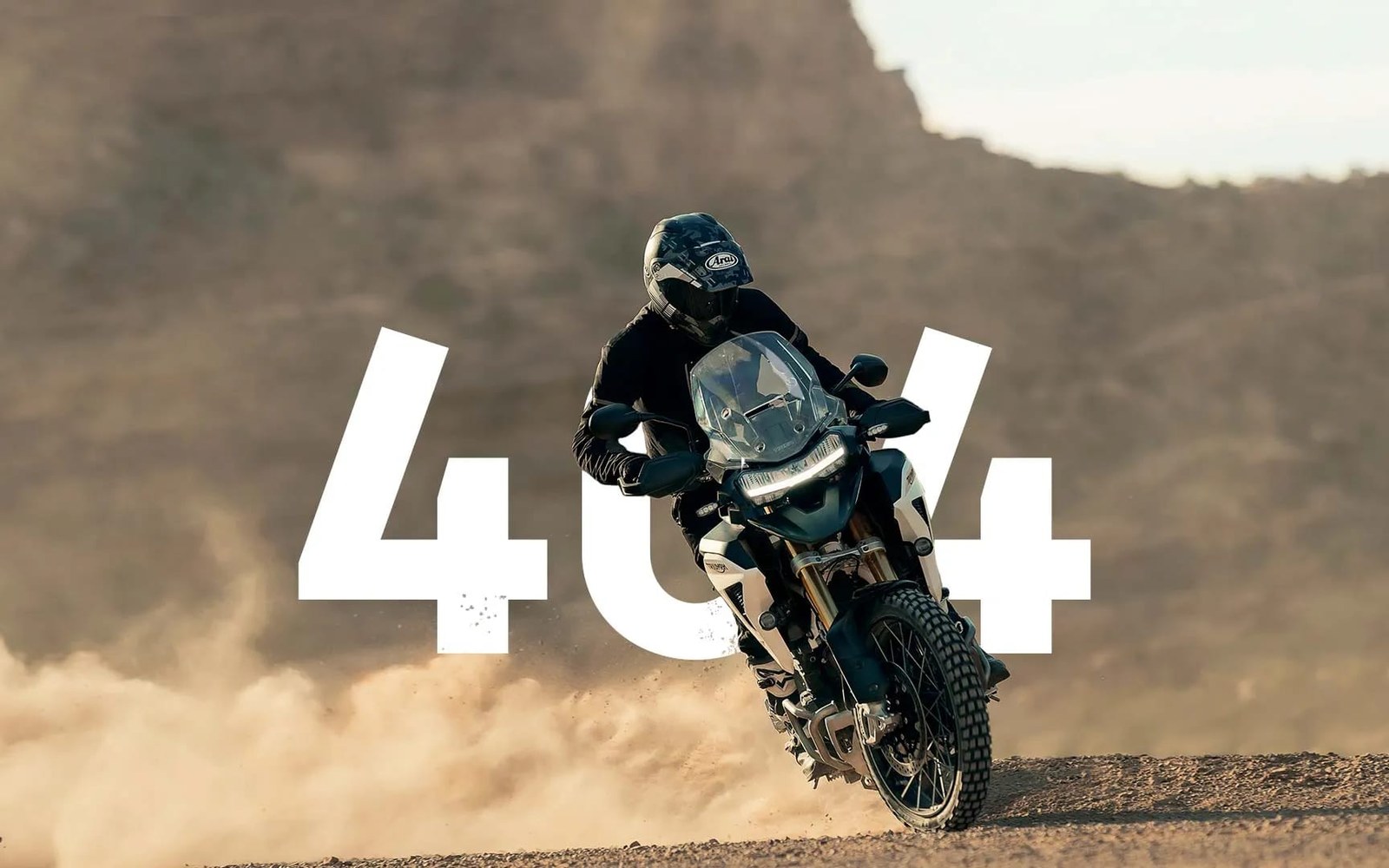
The Partnership and Its Commercial Logic
Triumph Motorcycles and Bajaj Auto announced their manufacturing and distribution partnership in 2017, but the agreement took until 2023 to deliver road-going product. The structure is straightforward: Bajaj, headquartered in Pune and ranked as India's second-largest two-wheeler manufacturer by the Society of Indian Automobile Manufacturers ↗, supplies the manufacturing infrastructure and platform engineering; Triumph supplies brand identity, styling direction and global distribution reach. Neither party discloses the exact financial terms, but the commercial rationale was legible from the start — Triumph needed competitive volume in the mid-displacement segment without absorbing the capital cost of building it alone, and Bajaj needed a premium badge to carry into markets where its own nameplate carries less weight.
Rajiv Bajaj, managing director of Bajaj Auto, had outlined the logic publicly before product arrived: India's domestic market for 200–500cc machines was expanding, export appetite from that segment was growing, and a co-developed platform could be priced at points Triumph's Hinckley-built lineup structurally cannot reach. The platform that emerged from the partnership sits at 398.15cc, single-cylinder, liquid-cooled — dimensions chosen to land the finished machines under the regulatory and insurance thresholds that define affordable ownership across South and Southeast Asia, as well as to keep pricing competitive in India's domestic market.
The Speed 400 and Scrambler 400 X
Two models launched in July 2023: the Speed 400, a naked roadster drawing on the visual language of Triumph's classic Speed Twin, and the Scrambler 400 X, an off-road-inflected variant with wire-spoke wheels and longer-travel suspension. Both share the 398cc unit, which Triumph rates at approximately 40 PS, and both carry the Triumph badge on tanks and are assembled in Bajaj's Chakan facility near Pune. Distribution outside India runs through Triumph's own dealer network — the brand retains retail presentation, warranty administration and aftersales in the export markets, which include much of Europe, Southeast Asia and, progressively, Latin America.
Bajaj reported strong early domestic uptake. The Speed 400 entered an Indian market where Royal Enfield's 350cc singles had long set the benchmark for aspirational single-cylinder ownership, and where KTM — in which Bajaj holds a significant equity stake via Pierer Mobility AG — already competed at adjacent displacements. The Scrambler 400 X addressed a segment that Royal Enfield's Himalayan had demonstrated was commercially real. Precise export volume figures had not been separately disclosed by mid-2024, but Bajaj's broader partnership revenues showed measurable uplift in the quarters following launch.
What It Means for the Segment
The Speed 400's Indian launch price positioned it well above Royal Enfield's core range but below the entry point for Triumph's Hinckley models — a deliberate gap that the company had not previously occupied. For Triumph under Nick Bloor's stewardship, the Bajaj deal represents a structural shift: the brand had built its post-2000 revival on mid-to-large displacement machines made in Britain, and the 400 platform is the first serious departure from that model.

The competitive pressure behind the move is not subtle. CFMoto, Zontes and other Chinese manufacturers have been expanding European and Australian distribution with competitively priced mid-displacement machines, while Royal Enfield's reported volumes of approximately one million units annually give it manufacturing cost advantages that a Hinckley-only production model cannot match at sub-500cc price points. The Bajaj platform allows Triumph to contest that ground without relocating its core manufacturing identity.
Whether the 400 platform extends to further models — a café racer variant has been discussed in trade coverage — depends on how export volumes develop through 2024 and into 2025. The platform exists; the tooling is amortising; the incremental cost of a third body style is a fraction of what the original engineering programme cost either party.