A Strategy Built on Uncomfortable Arithmetic
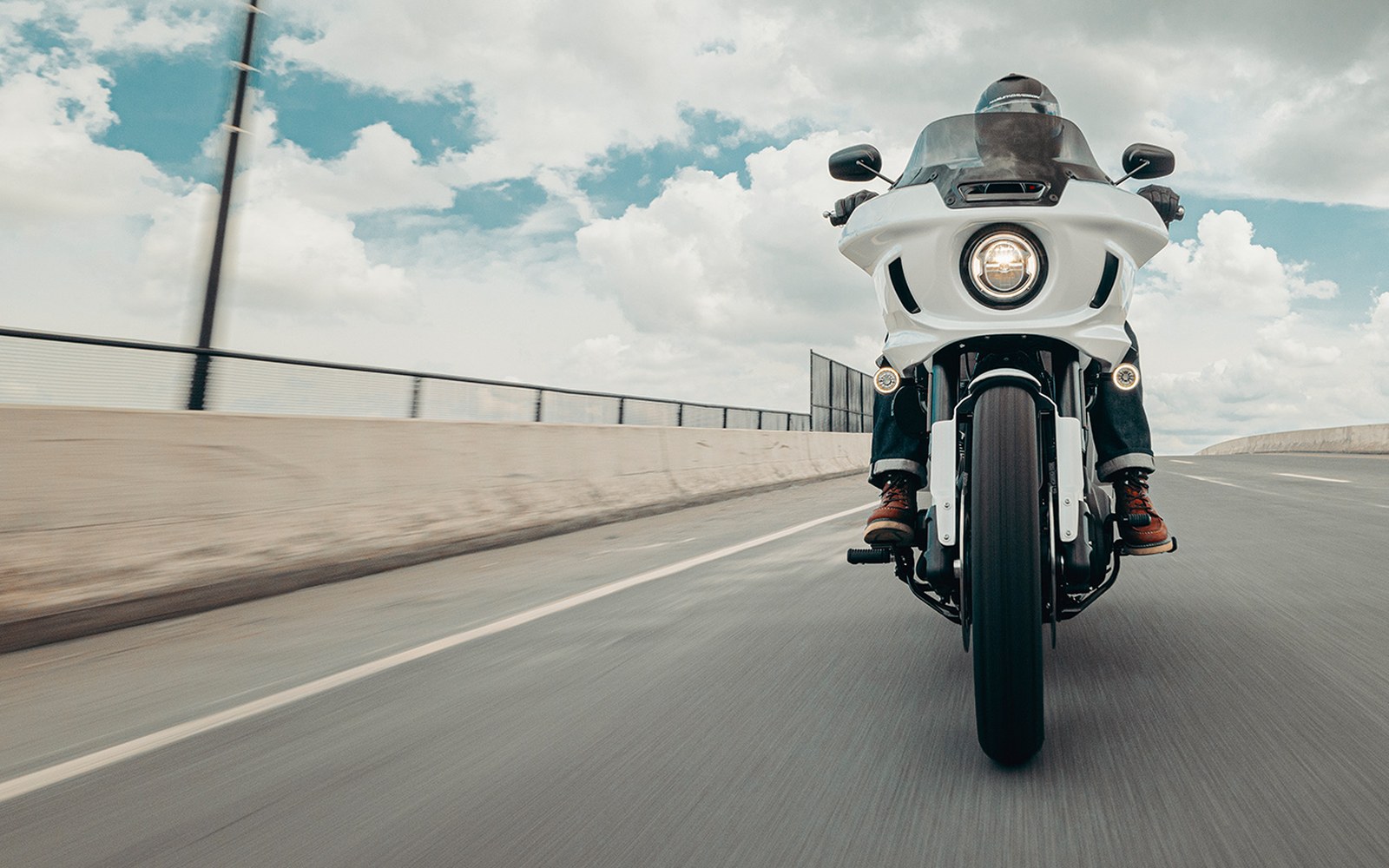
Harley-Davidson released its Hardwire strategic plan in February 2021, and the document did not flinch from the numbers that made it necessary. US heavyweight motorcycle sales — the 601cc-and-above segment Harley had dominated for decades — had been falling since 2014. The company's own reported US retail unit sales dropped from roughly 155,000 in 2016 to around 105,000 in 2020, a contraction of nearly a third across four years that included a global pandemic but was not caused by one. The slide had begun well before COVID-19 reached American shores.
The plan, authored under CEO Jochen Zeitz, who had arrived in early 2020 after a board crisis forced out his predecessor, framed the problem explicitly as one of prioritisation rather than volume. Harley would stop chasing market-share recovery through broad model proliferation and instead concentrate on selective segments where margin and brand premium could be defended. The five priorities the plan named were: Selective Expansion and Winning in Large Adventure Touring; Lead in Touring and Cruiser; Grow Apparel and Accessories; Lead in Electric; and Establish a position in Midsize and Small Motorcycles. Of those five, the third and fifth proved the most commercially consequential, and in opposite directions.
What the Plan Chose, and What It Cut
The accessories and licensing business — officially the Harley-Davidson Motor Parts, Accessories, and General Merchandise segment — had long generated margins that outperformed finished motorcycles. Hardwire formalized the decision to treat that revenue stream as a strategic anchor rather than a secondary line, and the segment has since contributed meaningfully to overall profitability even in quarters where unit sales disappointed.
The midsize initiative produced real machines. The Pan America adventure-touring model launched in 2021, placing Harley in the 1,250cc liquid-cooled segment it had historically avoided. A Nightster followed in 2022, addressing the entry-level cruiser space with a smaller Revolution Max engine. Both moved units, though neither transformed the underlying volume trajectory. Harley's annual reports through 2022 and 2023 recorded US retail sales continuing to run well below the pre-2014 peak, with the company explicitly managing for profitable unit economics rather than unit recovery.
The electric commitment, embedded in the plan as a standalone priority, produced LiveWire as a separate public entity. LiveWire completed a SPAC listing in late 2022, taking the electric brand off Harley's direct balance sheet. Sales volumes for LiveWire machines have remained small, and the unit has reported sustained losses. By mid-2023 Harley had reduced its ownership stake, and LiveWire's commercial performance has not meaningfully supported the case that the premium electric segment could absorb heavyweight-derived pricing. The SPAC structure isolated that financial exposure from the parent, which was part of its logic.
What the Numbers Look Like Now
Harley's own filings through 2023 show a company that has largely executed the Hardwire playbook as written, with results that validate the defensive logic while not reversing the volume decline. The shift toward higher-trim Touring models — CVO and top-specification Road Glide and Street Glide variants — supported average selling prices even as unit counts remained compressed. International markets, particularly in Europe and Asia-Pacific, absorbed some of the domestic shortfall, and Harley's reported global revenue held more steadily than raw US unit figures suggested.
The segment data the plan was written against has not recovered. NHTSA's per-mile fatality exposure data ↗ and the broader US registration trends tracked by the Motorcycle Industry Council show the heavyweight segment aging demographically and not replenishing at the rate it once did. Hardwire did not claim to solve that; it claimed to make Harley profitable within it. By the evidence of reported earnings through the plan's mid-period, the financial engineering has largely worked even where the volume story has not improved.
Whether the back half of the five-year plan — it runs through 2025 — produces a different picture on units will depend partly on whether the Pan America and successive liquid-cooled models find a second generation of buyers, and partly on whether international growth continues to offset what the domestic heavyweight segment has structurally become: smaller, older, and unwilling to carry its former volume.