The Numbers That Redirect the Conversation
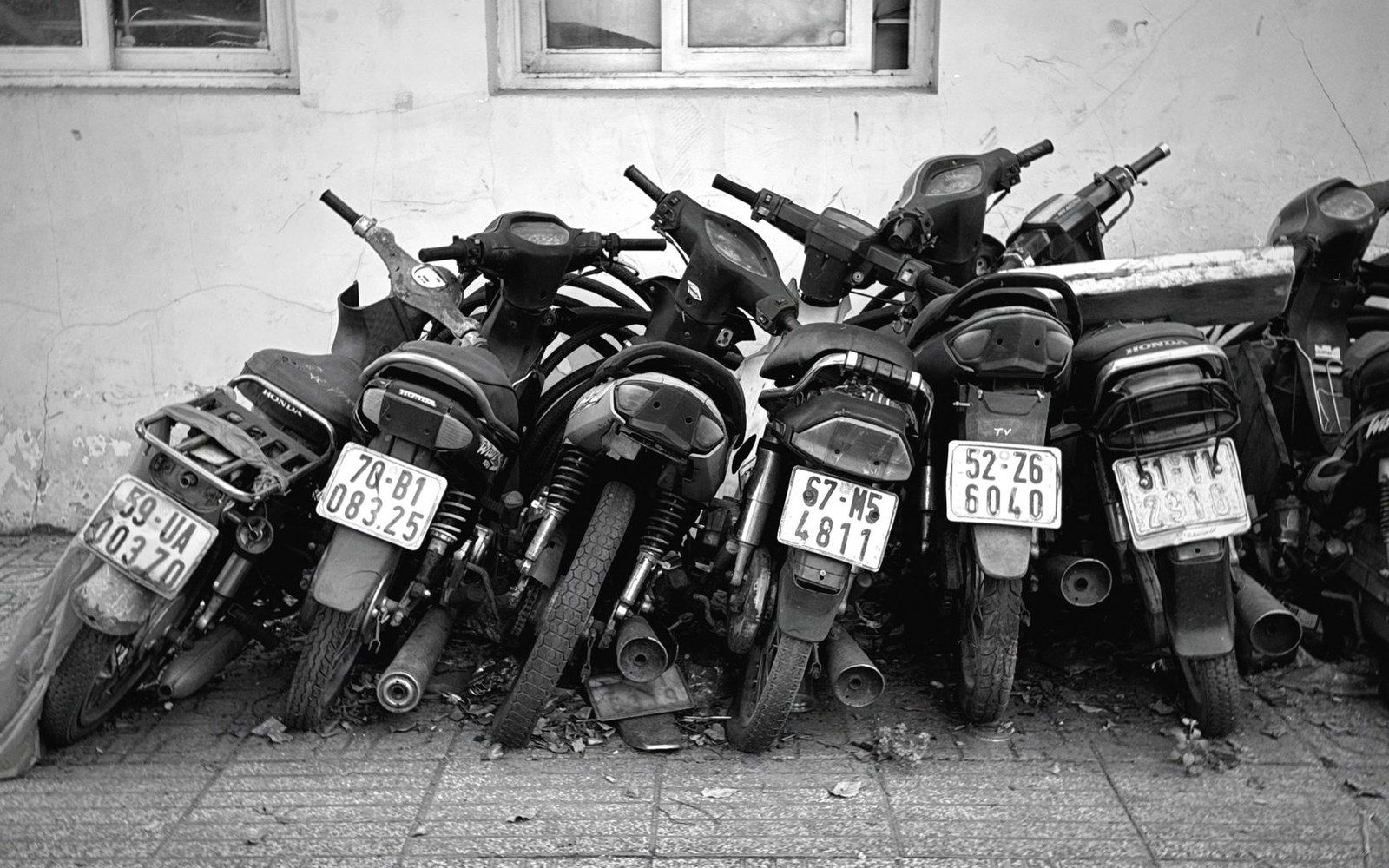
In Europe, scooters have outpaced motorcycles by registered volume for years. The Association des Constructeurs Européens de Motocycles ↗ tracks the split annually, and the pattern is consistent: scooters — broadly, automatic-transmission machines under 50cc and the 125–400cc maxi-scooter tier — make up a large share of new two-wheeler registrations across EU member states. Italy and France drive much of that share; urban commuting economics do the rest.
India, by raw unit count the largest two-wheeler market on the planet, tells a similar story. The Society of Indian Automobile Manufacturers ↗ reports that scooters account for a substantial minority of domestic two-wheeler volumes, even though motorcycles remain the larger segment. Hero MotoCorp and Honda dominate both types, but it is Honda Activa derivatives that account for the highest scooter volumes — not anything with a manual gearbox.

For manufacturers, the implications run directly into product planning. Yamaha Motor Co., Honda Motor Co. and Piaggio all carry scooter-heavy portfolios calibrated to that urban reality. Royal Enfield, by contrast, is a motorcycle-only brand by deliberate strategy — its approximately one-million-unit annual output sits entirely in the manual-gearbox segment. The mid-displacement segment that Triumph's Bajaj-built 400s now contest is motorcycle territory, not scooter territory, which is precisely why its volumes are measured in tens of thousands rather than millions.
The electrification timeline bends around this split in ways that complicate any unified narrative about two-wheeler EVs. Electric scooters are a deployable product at scale; urban duty cycles, fixed charging points, and lighter battery requirements make the economics tractable. Electric motorcycles — with the range expectations, fast-charging infrastructure, and performance parity demands that displacement-segment buyers apply — remain a harder equation, as the sustained losses at LiveWire and the insolvency at Energica demonstrate. Ola Electric's rapid scooter volumes in India, Gogoro's battery-swap network in Taiwan, and NIU's city-focused fleet have no direct motorcycle analogue at comparable scale.
The broader point is structural: when the industry discusses electrification readiness, the optimistic case rests almost entirely on the scooter column. The motorcycle column — the one displacement-segment followers track — is the harder problem, and the volumes that justify solving it are smaller than the aggregate two-wheeler figures suggest.