The Bimodal Season
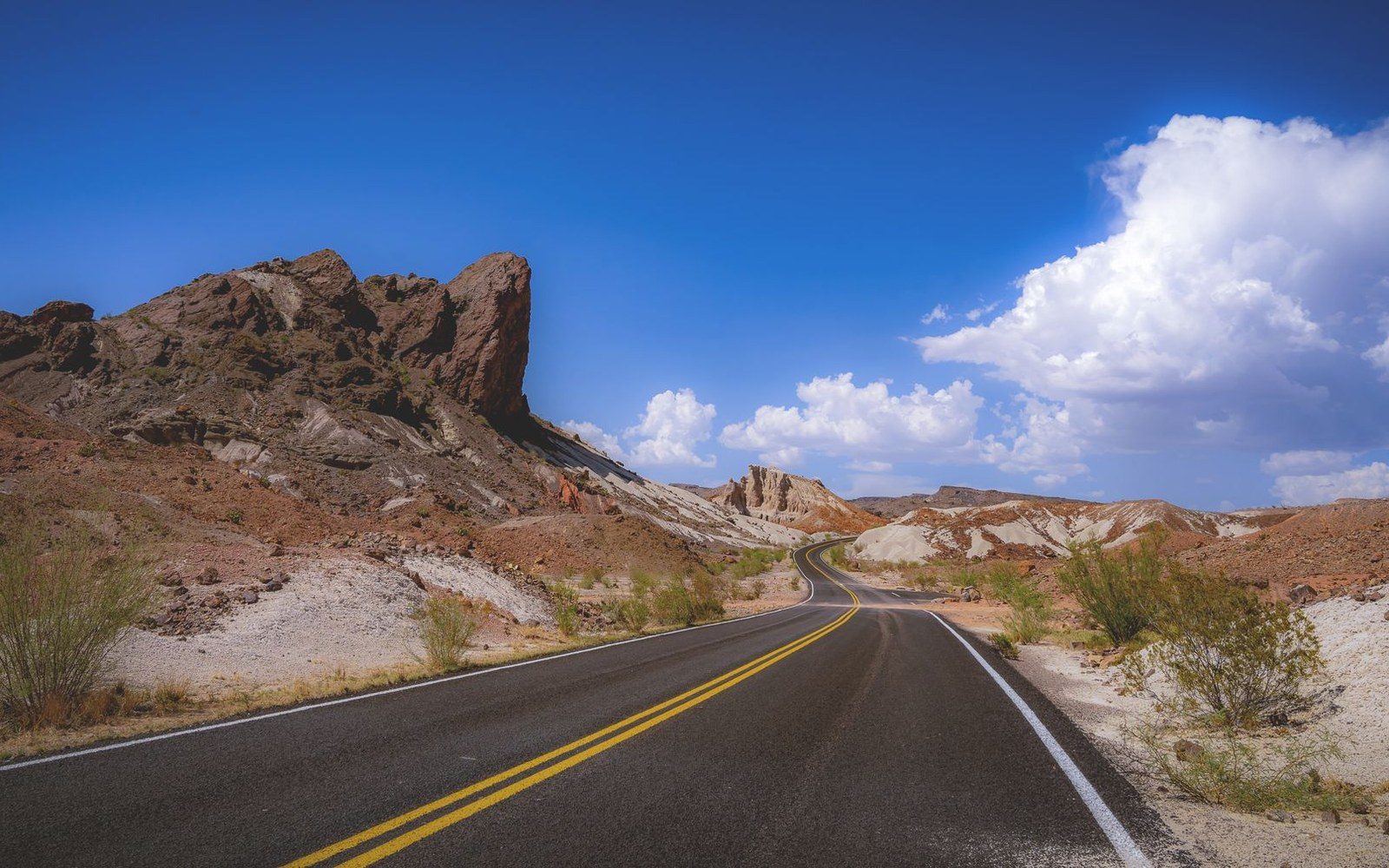
Ambient air temperature in inland Texas routinely exceeds 100 °F between late June and mid-September. The National Weather Service records ↗ for San Antonio show average July highs above 97 °F; Del Rio, sitting in the Chihuahuan Desert's thermal bowl, regularly posts triple-digit readings for weeks at a stretch; Midland, on the West Texas plateau, sees similar extremes with the added variable of sustained afternoon wind. Asphalt surface temperatures under direct sun run 40–60 °F above ambient, relevant to tire dynamics if not to rider comfort. The practical consequence for the market is straightforward: discretionary riding — the kind that sustains rally attendance, weekend fuel sales and parts turnover — falls sharply from roughly late June through early September.
What emerges instead is a bimodal season. The first window runs November through May, when daytime temperatures across the Hill Country and the Big Bend corridor sit in ranges where sustained saddle time is genuinely feasible — cool mornings, afternoons in the 60s to low 80s. The second, briefer window is late September to mid-October, a narrow shoulder that riders and event promoters both recognize as premium time. Events like those documented at Galveston in November and Austin in June are scheduled precisely around these edges.
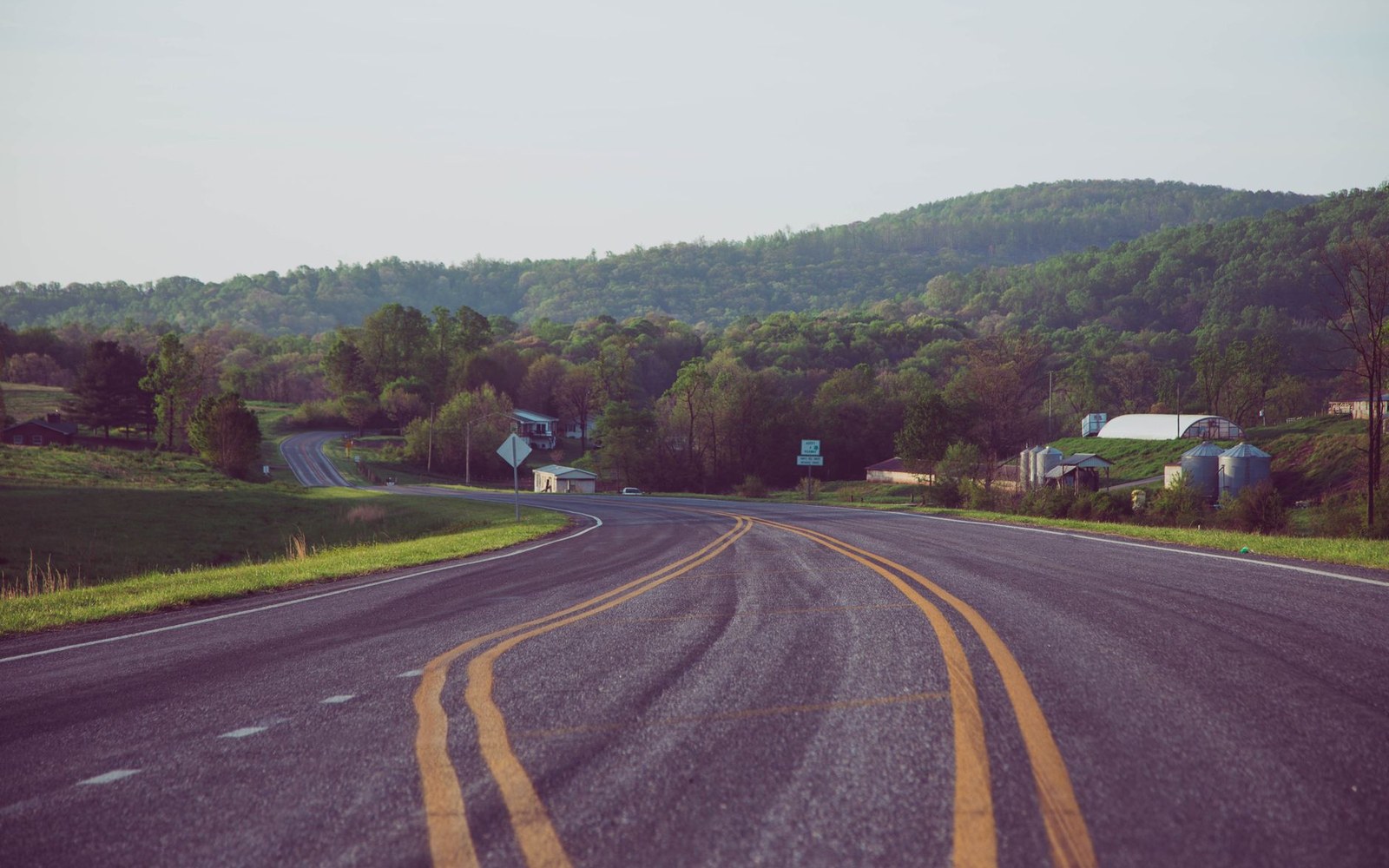
Northern US markets — Minnesota, Wisconsin, the upper Midwest generally — operate on a single compressed season running May to October, losing months to cold and ice rather than heat. Their rideable-day count is similarly constrained but structurally different: a single unbroken arc rather than two separate openings split by a brutal summer. For manufacturers reading regional registration and parts data, the distinction matters: Texas's off-peak is summer, not winter, which inverts showroom traffic patterns relative to almost every other major American market.
Dealers in San Antonio and Del Rio have historically reported their slowest floor traffic in August, not January — the calendar here runs on heat, not frost.