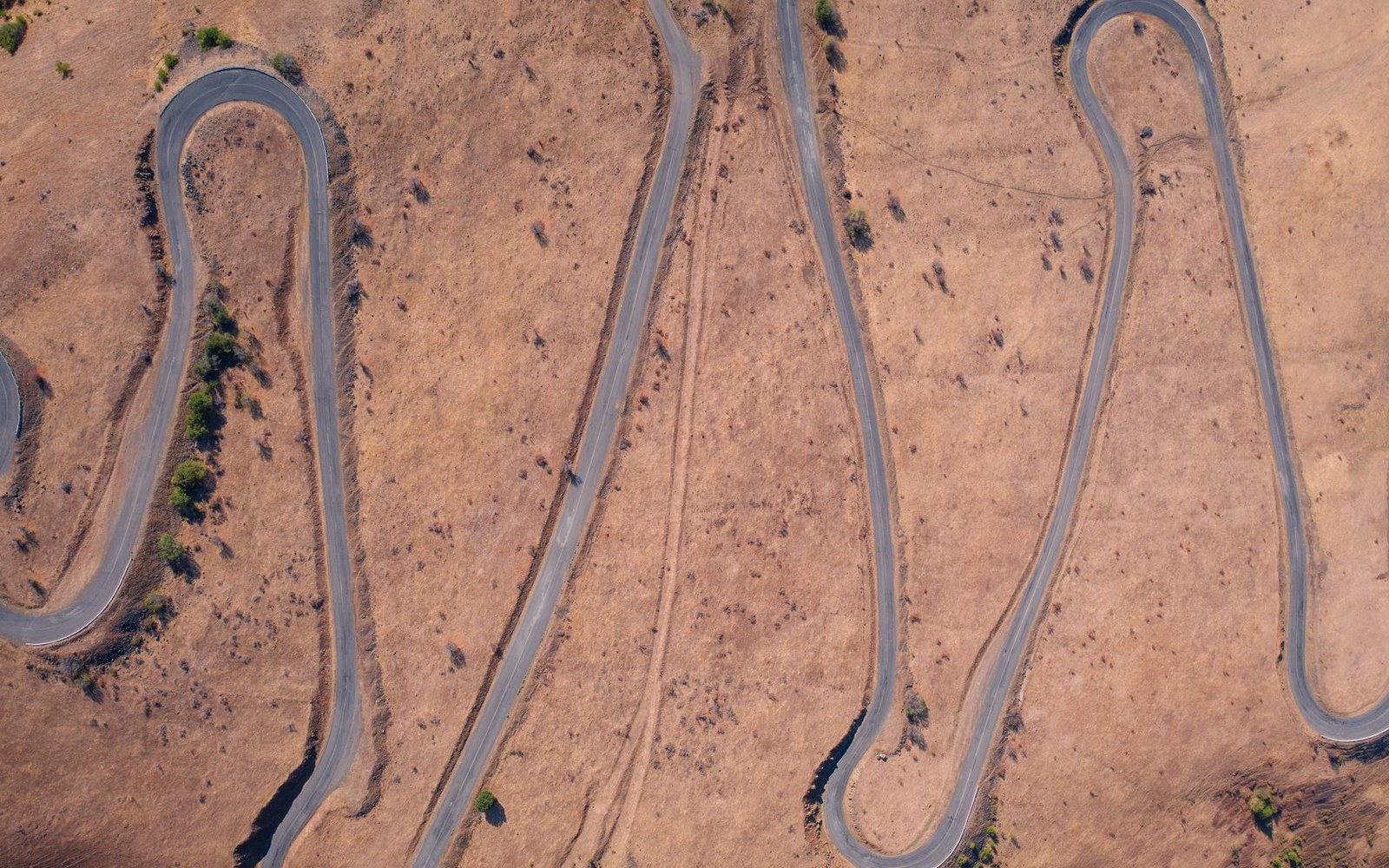
Ranch Roads 335, 336 and 337 form an interconnected loop through Real County and its neighbors, including Kerr and Bandera counties, in the Texas Hill Country, collectively known as the Twisted Sisters — a label applied by motorcyclists long before TxDOT started counting the machines passing through. The roads are state-maintained Farm-to-Market routes, two lanes each, with shoulders that narrow to nothing on the more aggressive curves, and they cross terrain that keeps design speeds modest and passing opportunities scarce.
What the Counts Show
The Texas Department of Transportation publishes annual average daily traffic figures for state-maintained roads, and the Sisters' numbers tell a story that differs sharply by day of week and season. Weekday volumes on the rural segments are consistent with what the roads were built for: agricultural traffic, local access, the occasional stock trailer. Weekend figures — particularly from March through November — spike well above those baselines, driven almost entirely by recreational traffic. Motorcycles constitute a documented share of that spike. TxDOT's traffic monitoring program records totals rather than modal splits on most rural routes, but law-enforcement records from Kerr County and Real County confirm that two-wheelers account for a disproportionate share of weekend volume on all three roads.
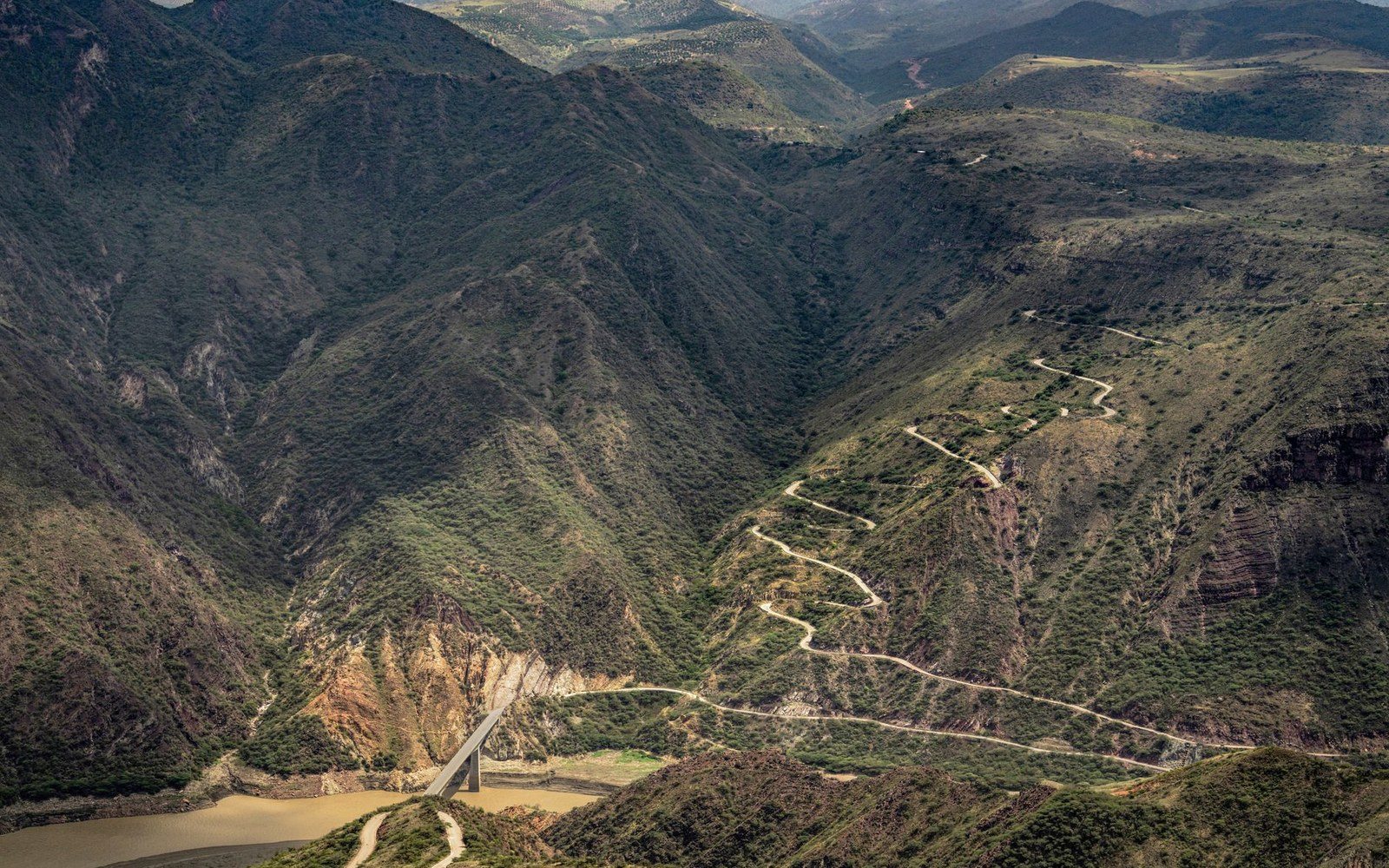
The geometry amplifies the problem. RR 337 in particular, between Leakey and Medina, carries some of the sharpest elevation changes and tightest radius curves in the Hill Country. When weekend volume compresses slower-moving vehicles and faster recreational traffic into the same lane sequence, the overtaking behavior that follows generates both enforcement events and the occasional serious incident. TxDOT's published crash data for these corridors reflect a pattern familiar from other scenic two-lane routes: crash rates per VMT that exceed the statewide rural average, with a concentration in the warm-weather peak.
What the Counties Have Done
Neither Kerr County nor Real County has the population base or the budget to station deputies on the Sisters every weekend. Both have worked with TxDOT and with the Texas Department of Public Safety on periodic enforcement details — visible patrol presence aimed primarily at speeding, but also at the centerline violations that become common when riders or drivers push the bends harder than the sight lines allow. The DPS has its own jurisdiction over state roads regardless of county, which matters on routes that cross county lines mid-curve.
Real County, smaller than Kerr, has leaned more heavily on signage and on the passive deterrence of documented patrols rather than sustained staffing. Kerr County, home to Kerrville, has coordinated with the city on traffic enforcement resources during peak seasons, though the rural portions of the roads fall outside municipal reach. Kerr and Real counties have both raised the Sisters in regional transportation planning discussions, partly in the context of emergency-vehicle access — the same congestion that makes weekend riding picturesque also slows first-responder transit times on roads with very few alternative routes.
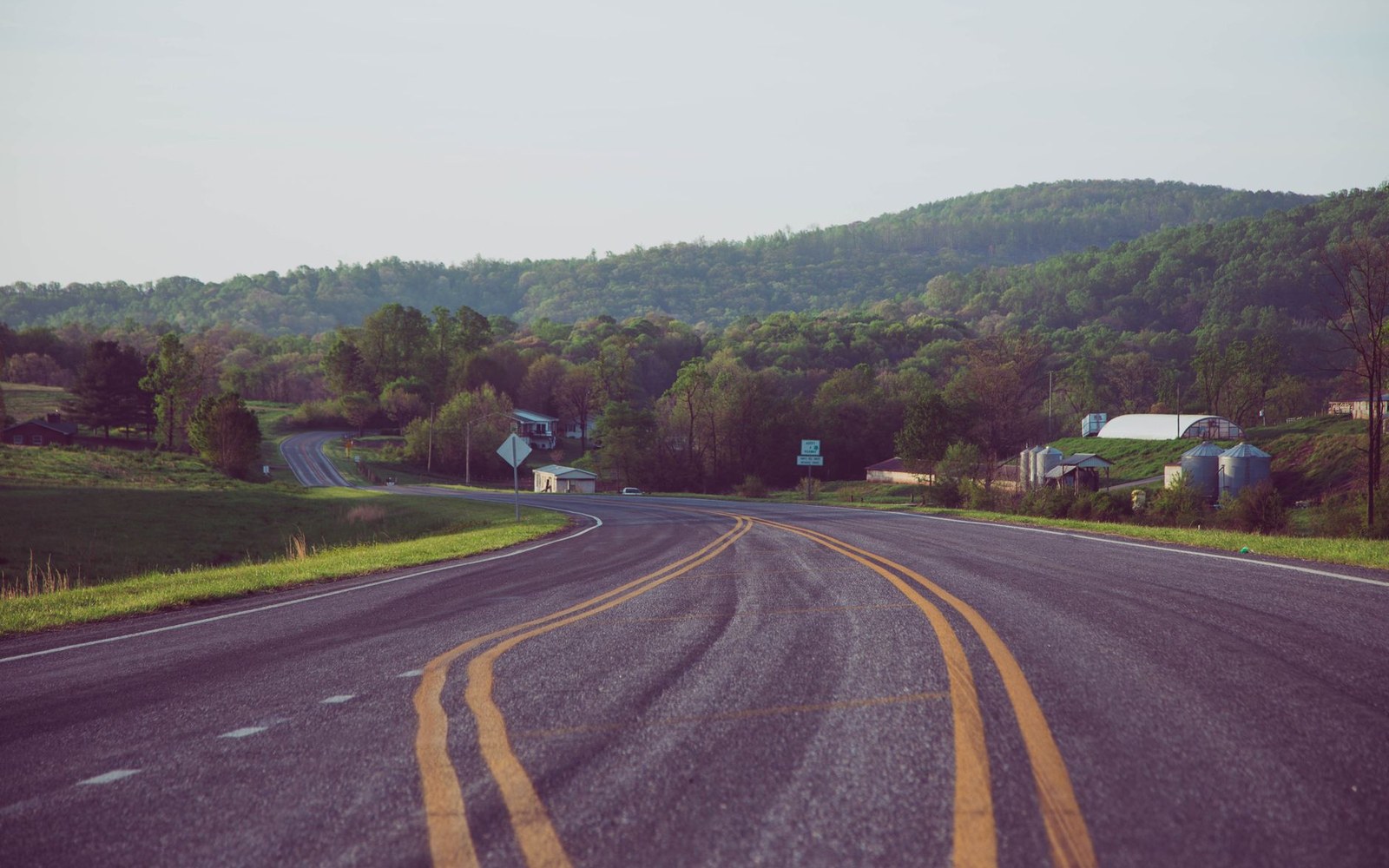
TxDOT's own response has been primarily infrastructural and informational. Pavement markings have been refreshed on the most-trafficked curves. Advisory speed signs — the yellow diamond type, which carry no legal weight but do reflect engineering judgment — have been reviewed and, in some locations, lowered. The agency has also coordinated with the Federal Highway Administration's Rural Safety programs on corridor assessments, though full geometric improvements on roads of this classification require funding cycles and right-of-way negotiations that have not yet produced construction.
The underlying tension is structural. The Twisted Sisters' recreational traffic is an economic asset for Real County's small towns — Leakey in particular — and for Kerr County's tourism economy. Reducing that traffic is not an objective any local authority has pursued. Managing its consequences, within the constraints of two-lane geometry and limited enforcement budgets, is the actual work, and the counts keep rising. Spring weekends on RR 337 now carry volumes that would not have been forecast for a road of that classification even fifteen years ago, and no county's planning capacity along the loop was designed for the number of license plates currently arriving from San Antonio, Austin and beyond.