The Deal and What It Covers
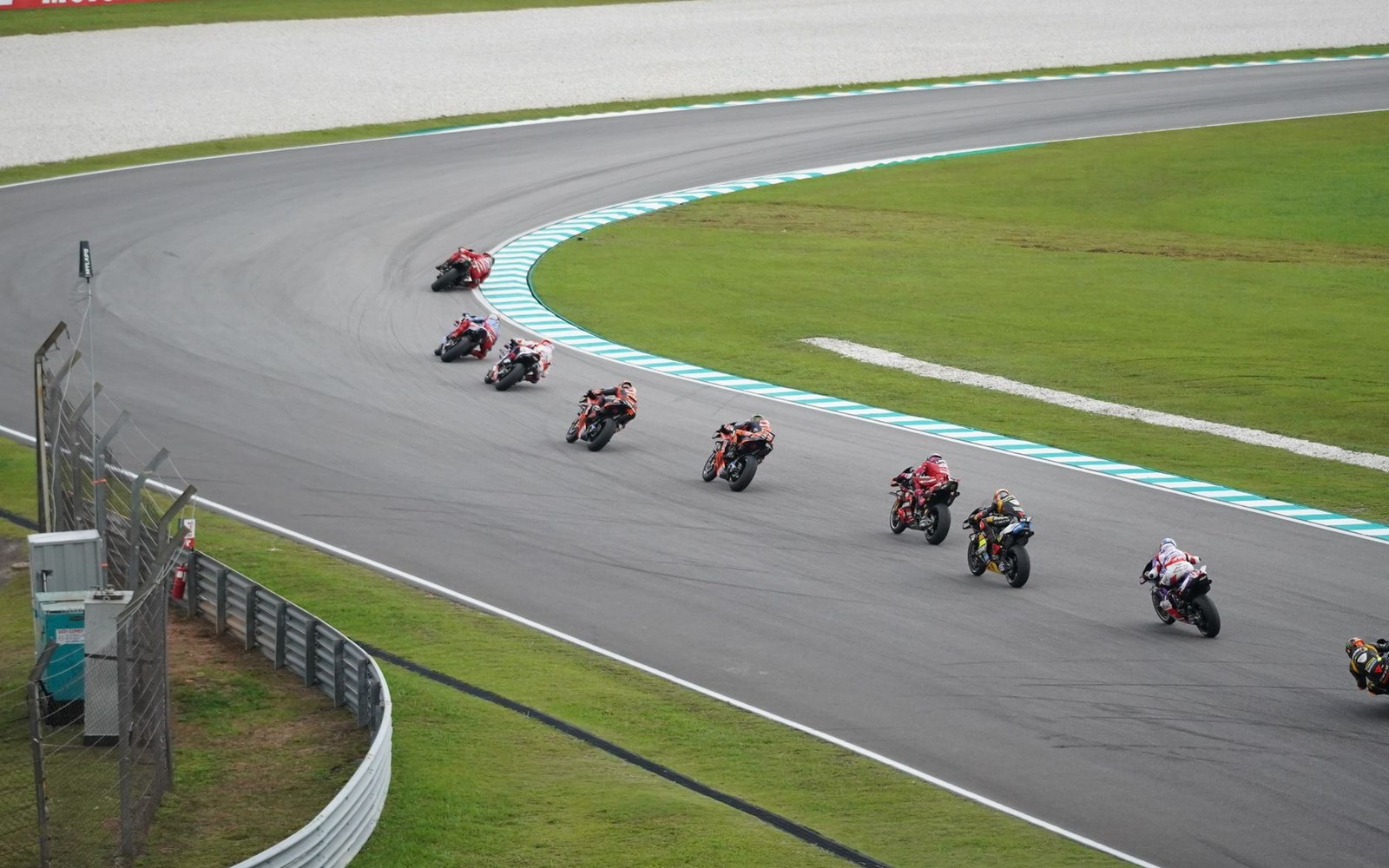
Liberty Media announced in October 2024 that it had agreed to acquire Dorna Sports, the Barcelona-based company that has held MotoGP's commercial and promotional rights since 1992. The transaction was structured as Liberty acquiring a controlling stake in Dorna from its majority shareholder, the private-equity firm Bridgepoint, alongside minority stakes held by the Canada Pension Plan Investment Board and other investors. The Fédération Internationale de Motocyclisme retains its sanctioning authority over the championship's technical and sporting regulations — the FIM does not change hands.
The reported enterprise value placed on Dorna was approximately €4.2 billion, a figure that reflects not just MotoGP but the portfolio Carmelo Ezpeleta built across three decades: MotoGP, Moto2, Moto3, and the World Superbike series it also promotes. Ezpeleta, who has run Dorna as CEO since 1992, was expected to remain in an executive capacity through a transition period, though the longer-term management structure under Liberty ownership had not been finalised at the time of signing.

Regulatory clearance was required from competition authorities in multiple jurisdictions, and Liberty indicated at announcement that it expected the process to complete in 2025. Liberty Media already owns the Formula 1 commercial rights through a structure it has controlled since 2017, so the competition review was expected to scrutinise whether a single entity holding both the leading open-wheel and the leading motorcycle World Championships creates a dominant position in the sale of international motorsport broadcasting packages.
The F1 Playbook and Its Limits
Liberty's transformation of Formula 1's commercial model after 2017 is the obvious template. Under Liberty, F1's broadcast and digital strategy ↗ shifted toward streaming partnerships, sprint-race formats to generate additional inventory, and a Las Vegas Grand Prix that treated the city itself as a revenue centre. Global television audiences and race-hosting fees both rose substantially across that period. The question for MotoGP is which elements translate and which collide with the sport's different economics.
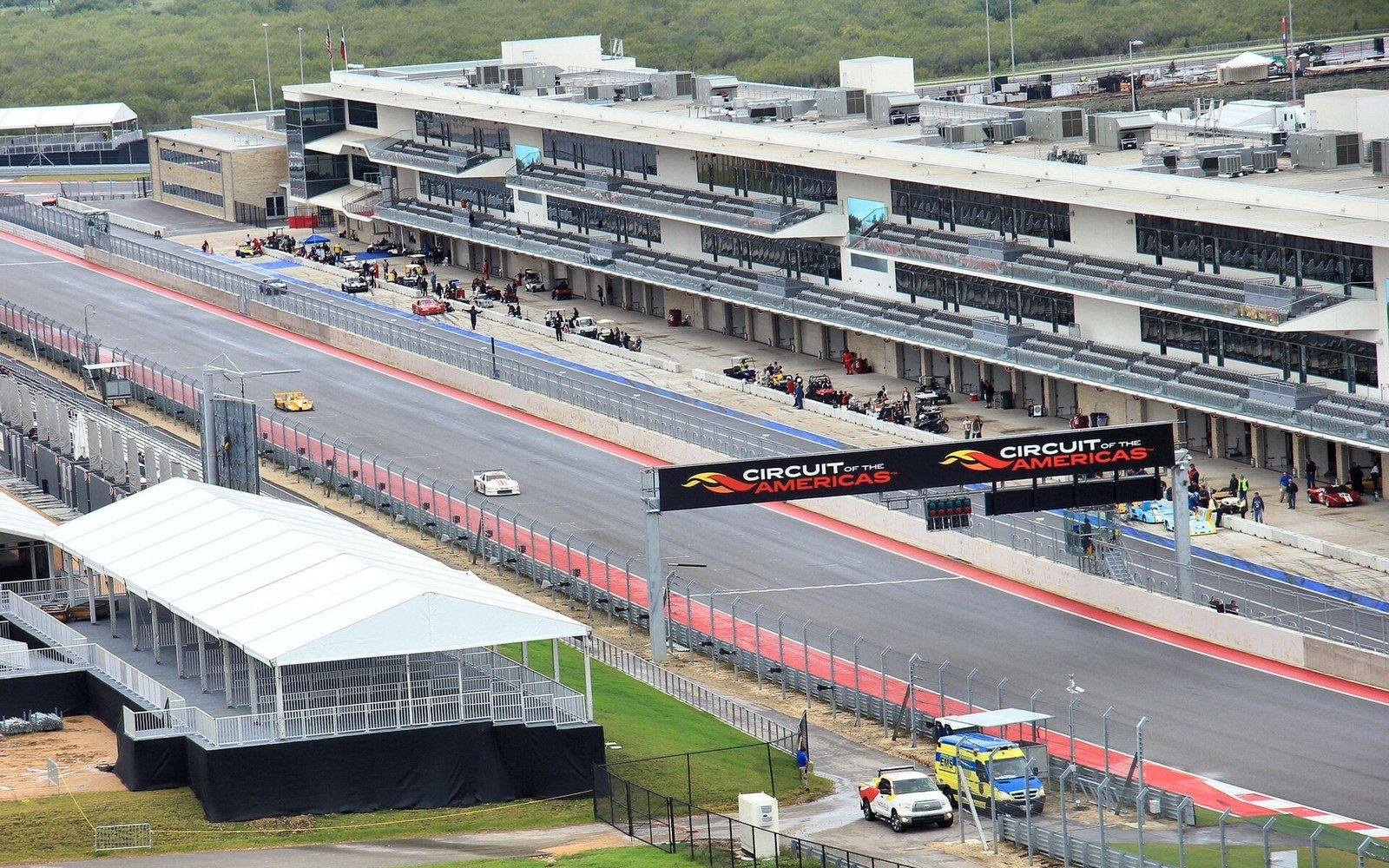
MotoGP operates on the promoter model: Dorna licenses individual rounds to local promoters — circuit operators or government-backed entities — who bear the hosting costs and absorb the revenue risk of a given race weekend. The Circuit of the Americas holds the only current United States round under exactly this structure, with its Austin April slot carrying hosting fees Dorna negotiates directly. Liberty will inherit those agreements as they stand, but the natural move is to renegotiate upward when contracts expire, as it did in F1.
Broadcast rights are the larger prize. MotoGP's rights are sold territory by territory, with linear television still dominant in European markets and pay-TV deals covering much of Asia. Liberty's F1 experience suggests the likely direction is toward global streaming partnerships that consolidate rights across territories, generating higher aggregate fees and better viewership data — that data being itself commercially useful for sponsorship pricing. Whether a streaming-first shift suppresses casual discovery audiences in markets where free-to-air coverage once built fan bases is a genuine structural risk, one Liberty navigated imperfectly in F1's UK market.
The manufacturer relationships introduce a dynamic F1 does not share. MotoGP's grid depends on factory participation by Honda Motor Co., Yamaha Motor Co., Ducati, KTM — despite its 2024 insolvency filing and ongoing restructuring through Pierer Mobility AG — Aprilia, and the satellite teams they supply. Factories negotiate with Dorna over technical regulations, cost caps, and concession systems that govern how competitive-development resources are distributed between manufacturers. Liberty will inherit those negotiated frameworks and their associated tensions. In F1, manufacturer relations are also fraught; in MotoGP they are structural, because a manufacturer's decision to withdraw removes not just a brand name but an entire grid of entries.
What Liberty is buying, ultimately, is a championship with a younger global audience demographic than F1, a genuinely competitive on-track product — Marc Marquez, Francesco Bagnaia, and Toprak Razgatlioglu in World Superbike represent the kind of personality-driven rivalry Liberty knows how to monetise — and rights contracts that, by its own valuation, are priced below what comparable sports properties command ↗. The gap between current and potential is the investment thesis. Whether Bridgepoint sold too early will depend on whether Liberty can close that gap.