Austin's April Slot in the World Championship
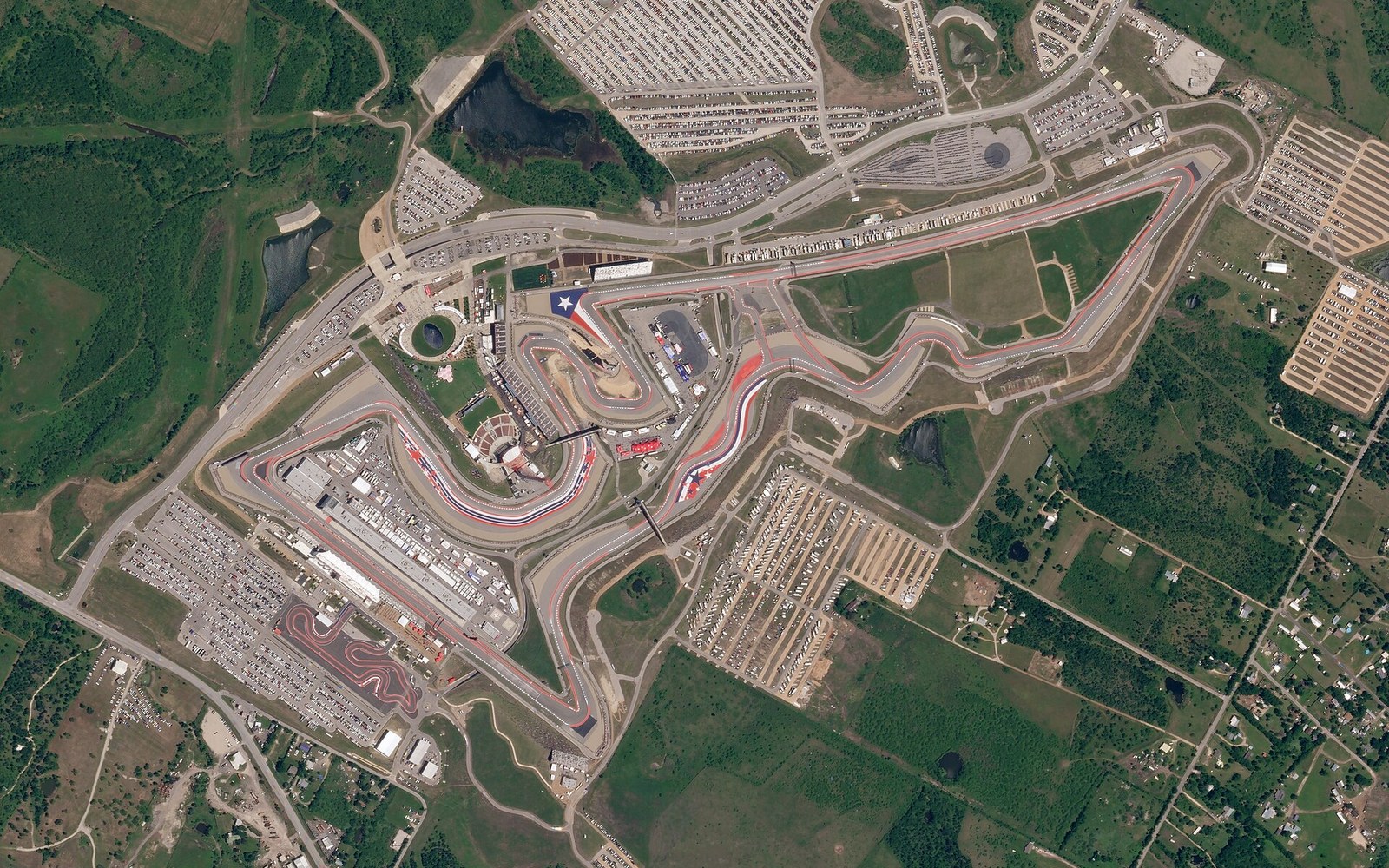
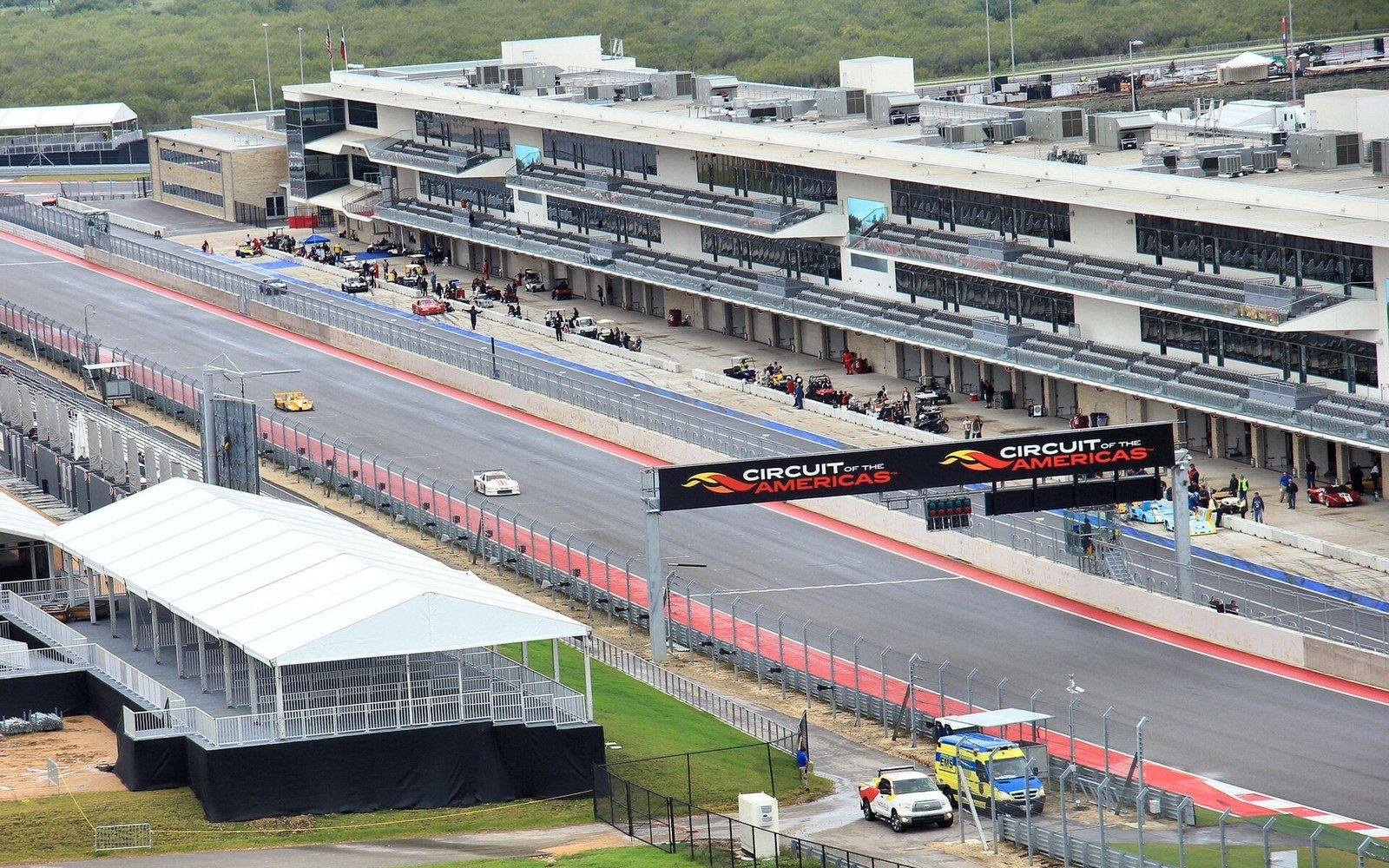
The Circuit of the Americas opened in late 2012 and held its first MotoGP round in April 2013, making it the only purpose-built Formula 1-grade circuit in the United States and the sole permanent host of Grand Prix motorcycle racing on American soil. The 5.513-kilometre layout, with its signature elevated Turn 1 and long back straight, was designed by Tilke Engineers and sits in southeast Austin off State Highway 71.
Since that inaugural round, the Austin event has anchored the MotoGP calendar's early-season American window — typically the third or fourth round of the year, run in April before summer heat compresses scheduling elsewhere. Marc Marquez turned the venue into something close to a personal fiefdom across the 2010s, winning there with a regularity that itself became a story in championship coverage. Francesco Bagnaia and the post-Marquez field have since redistributed outcomes, but the circuit's technical demands — blind crests, severe braking zones, a counter-clockwise layout shared by only a minority of Grand Prix venues — continue to reward specific chassis tuning rather than raw power.
COTA has reported weekend attendance figures for the MotoGP round in the range of 200,000 across all three days, though the circuit and Dorna Sports, which holds the MotoGP commercial rights and is now owned by Liberty Media, do not publish audited breakdowns. The commercial relationship between COTA and the City of Austin has been periodically contentious; Austin City Council has approved hotel occupancy tax rebates to support the venue's Formula 1 and MotoGP contracts, a mechanism that draws ongoing legislative scrutiny at the municipal level.
Under Dorna's promoter model ↗, the local venue operator shoulders event costs and revenue risk while paying a sanctioning fee for calendar placement. For COTA, hosting both the Formula 1 United States Grand Prix and the MotoGP round distributes that fixed infrastructure cost across two premium international events — an unusual position that strengthens the venue's negotiating position with both sanctioning bodies.